
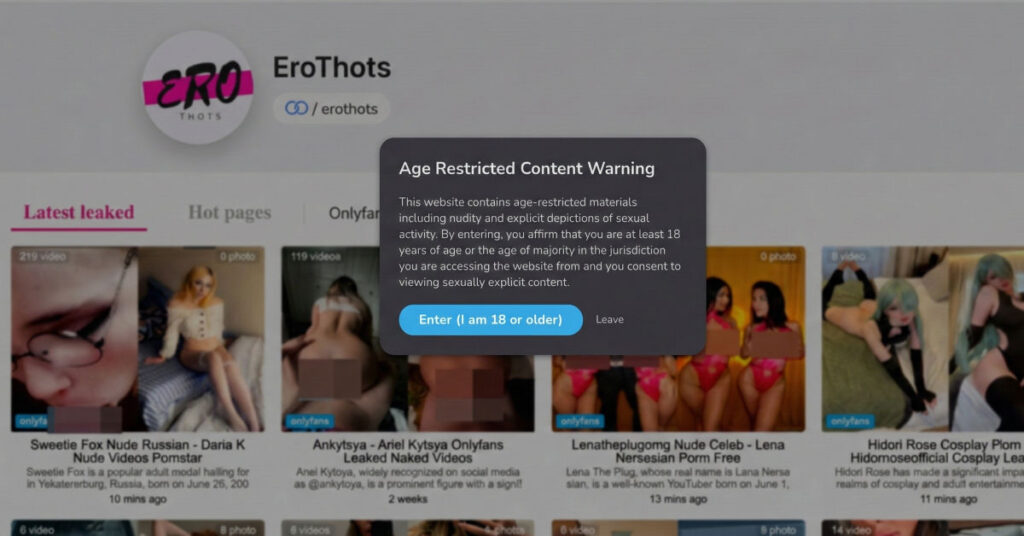
In recent years, the term Erothots has taken on layered meaning across the digital landscape. In its clearest form, it describes online creators who blend erotic expression with social media presence, using subscription platforms to monetize personal content and build communities. But the same label has also been appropriated by leak sites—domains that scrape, repost, and redistribute creators’ images and videos without consent. For those seeking clarity, the first priority is understanding that Erothots is not one unified ecosystem but a fractured one, shaped by empowerment, entrepreneurship, exploitation, and risk.
Within the first moments of searching, users discover conflicting narratives. Some describe Erothots as self-guided creators reclaiming autonomy and craft in an increasingly democratized adult-content economy. Others speak in warnings: stolen content, malware-ridden domains, false profiles, and a high-velocity leak culture that strips creators of control. The term itself—born from a blend of “erotic” and the once-derogatory slang “thot”—reflects a broader societal renegotiation of sexuality, agency, and online identity.
As digital intimacy becomes both normalized and contested, Erothots occupy a complex position. They represent a cultural shift toward independent erotic entrepreneurship while simultaneously illustrating the vulnerabilities that accompany sharing intimate content online. This article explores both sides of the phenomenon, not as opposing factions, but as two expressions of an internet struggling to define the boundaries of consent, commerce, and autonomy.
Defining “Erothots”: A Dual Identity
The word Erothots circulates in two major forms—one creator-driven, one exploitative—and understanding the distinction is essential.
Two Primary Contexts
| Context | Description |
| Independent Erothot Creators | Individuals who produce erotic or suggestive content, often using subscription platforms, tips, custom content, and social-media branding to monetize their work. |
| Erothots Leak/Aggregation Sites | Platforms that scrape or repost adult content without permission, circulating paywalled or private material for ad revenue and traffic, often without creator involvement. |
For creators, the term is part of a broader redefinition of adult entertainment: a shift from studio-managed production to self-directed, personality-driven content that values authenticity over high-budget polish. For leak platforms, however, Erothots becomes a catch-all label masking systemic issues—privacy violations, unauthorized distribution, and cyber risks for both creators and viewers.
This dual identity ensures the term remains a source of confusion, controversy, and cultural debate.
The Rise of Independent Erothots: Monetization and Culture
Independent creators have emerged through the digital economy’s transformation, harnessing new tools to build careers on their own terms.
How Creators Monetize
Erothot creators typically use:
- Subscription platforms offering exclusive media, pay-per-view posts, and direct messaging.
- Mainstream social media for promotion, branding, and audience building.
- Custom content commissions, ranging from personalized videos to interactive experiences.
- Tips, donations, and fan support through integrated digital tools.
This structure enables individuals to bypass traditional adult-industry gatekeepers. Creators decide what to produce, how to brand themselves, and which audience to cultivate—controls seldom available in older models of adult entertainment.
A Cultural Shift
The reclamation of the term “thot,” once used to demean, highlights shifting attitudes around sexuality and digital self-presentation. Many creators embrace the Erothot identity as a form of empowerment, signaling confidence, transparency, body positivity, and entrepreneurial spirit.
Yet the shift is not without tension. The blurred line between empowerment and commodification raises questions: What does authenticity mean in an economy built on visibility? How do creators navigate the emotional labor of maintaining intimacy with fans? And what happens when liberation collides with societal stigma?
The rise of Erothots illustrates how digital culture transforms not only how content is created but how sexuality and agency are understood.
The Dark Side: Leak Culture, Privacy and Cyber Risk
Alongside legitimate creators exists a shadow ecosystem of Erothots-branded leak sites. These domains scrape, mirror, and repost content—often without consent—and pose profound consequences.
Unauthorized Content and Leak Dynamics
Victims frequently report discovering their content posted under fake profiles or copied wholesale from subscription accounts. Frustration is common:
- Creators note their profiles appear on leak sites without consent.
- Watermarked material is stripped and reshared.
- Takedown requests are ignored or only temporarily effective before content reappears elsewhere.
Once leaked, intimate media spreads rapidly, often permanently. This loss of control can lead to financial harm, reputational risk, and deep emotional distress.
Risks to Viewers
Leak platforms often operate with little transparency and are tied to:
- Aggressive pop-ups and misleading download prompts
- Malware distribution
- Phishing schemes
- Tracking scripts that harvest user data
Because these sites prioritize traffic and ad revenue over user protection, both creators and consumers face vulnerabilities. This digital underbelly complicates the public perception of Erothots, overshadowing legitimate creators with a culture of piracy.
Ethical, Legal and Psychological Dimensions
The existence of both consensual creator spaces and exploitative leak platforms raises difficult questions about autonomy, law, and emotional impact.
Consent and Intellectual Ownership
Creators producing content for paying audiences maintain an expectation of control. Leak platforms violate this, undermining consent and intellectual property rights. Many creators struggle with:
- Long-term reposting
- Rapid reappearance of removed content
- Jurisdictional barriers to enforcement
- Emotional distress triggered by exposure
Unauthorized distribution is not merely a copyright issue—it’s a personal boundary violation with serious psychological consequences.
Stigma and Gender Dynamics
The term “Erothot” carries remnants of a misogynistic past. Despite ongoing reclamation efforts, many still use it derogatorily, often targeting women. While creators may embrace erotic autonomy, society frequently lags behind, reinforcing stigma that compounds personal and professional risk.
Financial Precarity
Income for creators depends on platform stability, fan engagement, and constant visibility. Leaks disrupt revenue streams. Sudden policy changes—from platform bans to payment-processor restrictions—add unpredictable pressures. Thus, financial empowerment can be paired with instability.
Cultural Meaning: What Erothots Reveal About Digital Society
The phenomenon reflects major cultural transformations:
Democratization of Adult Content
Technology has decentralized erotic production, enabling individuals—not studios—to shape the industry. While empowering, this democratization brings responsibilities and risks rarely addressed in mainstream conversation.
Evolving Attitudes Toward Sexual Expression
Erothot creators demonstrate a societal shift toward embracing sexuality as self-expression. They normalize sensual content as art, work, and personal branding, pushing against traditional moral frameworks.
Privacy Erosion and Leak Culture
Leak sites reveal the fragility of consent in the digital age. They pose ongoing questions:
- Who owns intimate content?
- How do we enforce digital boundaries?
- What happens when privacy and piracy collide?
Platform Responsibility
The phenomenon highlights gaps in platform governance. As creators gain autonomy, platform policies, reporting systems, and protective tools must evolve to meet new demands.
Independent Creators vs. Leak Platforms
| Feature | Independent Erothot Creators | Erothots Leak Platforms |
| Consent | Voluntary production and distribution | Often no consent or creator involvement |
| Revenue | Subscriptions, tips, custom content | Ad revenue from unauthorized traffic |
| Privacy Risk | Variable, based on creator precautions | High risk—doxxing, exposure, circulation |
| User Safety | Generally secure if using reputable platforms | Malware, phishing, intrusive ads |
| Longevity | Sustainable with audience support | Short-lived, shifting domains |
| Ethical Standing | Mixed but consensual | Widely criticized as exploitative |
Community Voices and Online Testimonies
Conversations across creator forums reveal a tapestry of emotions—from empowerment to alarm. Many creators describe the experience of discovering unauthorized profiles, stolen content, or reuploads on Erothots-branded sites. Others share warnings about unsafe browsing environments.
The recurring theme: creators feel exposed, viewers feel misled, and both recognize the imbalance between the ease of sharing and the difficulty of controlling digital content.
These testimonies bring human context to the phenomenon, showing that behind the concept of Erothots lie real individuals navigating empowerment, vulnerability, and the unpredictability of online life.
Looking Forward: The Future of Erothots
The trajectory of Erothots remains uncertain, shaped by intersecting forces:
- Platform crackdowns on adult content may push creators to encrypted or decentralized platforms.
- Creator-led communities may grow, emphasizing safety, selective sharing, and closed networks.
- Legal pressure on leak sites may intensify, though enforcement remains complex.
- Cultural normalization may reduce stigma surrounding erotic entrepreneurship.
- Technological shifts—AI, VR, encrypted distribution—could transform how content is produced and protected.
The future will be defined not by technology alone but by society’s willingness to confront questions about consent, autonomy, intimacy, and safety in an increasingly connected world.
Key Takeaways
- “Erothots” refers to both consensual erotic creators and unauthorized leak sites—two very different ecosystems.
- Legitimate creators use subscription platforms to monetize content with autonomy and intention.
- Leak platforms violate consent and expose creators and viewers to privacy, security, and ethical risks.
- The phenomenon surfaces deep questions around digital identity, stigma, and the precarious economics of erotic entrepreneurship.
- Societal attitudes, legal developments, and technological changes will shape the future of Erothots.
- Understanding the duality is essential to discussing digital sexuality responsibly.
Conclusion
Erothots represents a paradox of contemporary digital life a space where empowerment and exploitation coexist in close proximity. Independent creators use digital tools to reclaim control over erotic expression, forging careers that blend creativity, intimacy, and entrepreneurship. But the same digital freedoms enable leak sites to undermine consent, replicate content endlessly, and expose both creators and users to significant harm.
The phenomenon forces society to confront uncomfortable but necessary questions. Can erotic agency coexist with meaningful privacy protections? What responsibilities do platforms bear in safeguarding creators? And how do we build a digital culture that values consent as much as connectivity?
As digital expression continues to evolve, so will the definitions, risks, and realities attached to Erothots. The challenge—and opportunity—lies in shaping an ecosystem where autonomy and safety can coexist.
FAQs
What does “Erothots” mean?
It refers both to independent creators producing erotic content and to unauthorized leak platforms misusing that content. The two are unrelated but share the same label.
Why do leak platforms use the name Erothots?
Because the term attracts traffic and appears searchable, making it easier for such sites to gain visibility while obscuring their non-consensual practices.
Are Erothot creators the same as leak sites?
No. Creators participate willingly, while leak sites scrape or repost content without permission. They operate separately and with very different intentions.
Is it safe to visit leak sites?
Typically not. These sites often contain intrusive ads, malware risks, and tracking scripts that compromise privacy and security.
Can creators protect their content from leaks?
They can reduce risk through watermarks, pseudonyms, and limited sharing, but complete protection is impossible once content is online.
References
American Civil Liberties Union. (2023). Privacy & surveillance: Understanding digital rights. ACLU.
https://www.aclu.org/issues/privacy-technology
Citron, D. K., & Franks, M. A. (2014). Criminalizing revenge porn. Wake Forest Law Review, 49, 345–391.
https://papers.ssrn.com/sol3/papers.cfm?abstract_id=2368946
Electronic Frontier Foundation. (2024). Digital privacy and online freedom. EFF.
https://www.eff.org/issues/privacy
Fuchs, C. (2017). Social media: A critical introduction (2nd ed.). SAGE Publications.
https://us.sagepub.com/en-us/nam/social-media/book245033
Hern, A. (2021, February 10). The rise of subscription-based content platforms. The Guardian.
https://www.theguardian.com